 Brice Eliasse
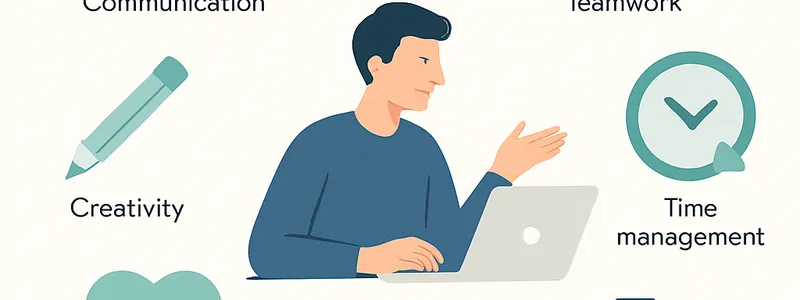
As web development evolves in today’s fast-paced digital landscape, technical prowess alone won’t guarantee high-impact results. To stand out, web developers not only need to master coding and frameworks but must also cultivate powerful soft skills. These attributes—communication, problem-solving, adaptability, and teamwork—are what distinguish exceptional professionals from the rest. Whether you’re just starting or seeking to climb the professional ranks, understanding and improving your soft skills is as crucial as refining your codebase. In this article, we’ll dissect the top soft skills for successful web developers, share industry insights, and reveal why partnering with a qualified expert is often the key to tackling complex challenges. Ready to future-proof your skillset?
Communication: Speaking the Universal Language in Web Development
Clear, empathetic communication is the glue that binds web projects together. From initial brainstorming to launch, how you convey your ideas and listen to others is vital. Let’s explore why communication is often hailed as the cornerstone soft skill for web developers.
Active Listening: The Foundation of Effective Collaboration
To build a site or application that truly delights users, you must first understand the vision, needs, and constraints of clients and stakeholders. This begins with active listening: being fully present in every conversation and taking the time to clarify requirements. Consider a scenario where a client describes the desired functionalities in broad strokes. A developer who listens actively will ask follow-up questions, paraphrase requirements for confirmation, and document everything diligently. This process minimizes costly misunderstandings later—research shows teams that prioritize active listening reduce project rework by up to 35% (source: PMI Pulse of the Profession, 2023).
- Regularly restating stakeholder goals
- Documenting decisions after meetings
- Seeking clarification early and often
These habits foster trust and pave the way for smoother project execution.

Clear Written and Verbal Expression: The Bridge to Teamwork
Whether you’re writing user stories in Jira, crafting documentation, or presenting a UI/UX prototype, clarity is crucial. Soft skills in this area involve tailoring your language to your audience—avoiding jargon with clients while diving deep with technical peers. When developers master this, handoffs are seamless, expectations clear, and cross-functional teams become more agile.
Real-world example: During a website redesign, a skilled developer prepares a Slack summary that pinpoints blockers and proposes solutions. This concise update informs team leads, designers, and QA testers, saving valuable cycles and promoting transparency.
- Use bullet points for actionable items
- Summarize meetings with clear next steps
- Encourage open questions and feedback loops

Client-Facing Communication: Building Relationships, Not Just Code
For freelance developers or those in agencies, crystal-clear communication can make or break client relationships. Explaining timelines, justifying technical trade-offs, or responding calmly to last-minute changes requires empathy and strategic patience. Consider situations where project requirements evolve rapidly. A commercially savvy developer who keeps stakeholders informed consistently is valued far more than one who leaves clients in the dark, even if the technical output is stellar. This skill set is directly tied to client retention and referrals.
To summarize, communication skills transform everyday interactions into high-value outcomes, making them a non-negotiable asset on your path to becoming a successful web developer.
Problem-Solving and Critical Thinking: Navigating Digital Challenges
In web development, challenges are inevitable. The ability to address bugs, UX pain points, or infrastructure limitations is what separates good developers from great ones. Let’s delve into the power of critical thinking and resourceful problem-solving.
Structured Problem Analysis: The Developer’s Superpower
Every seasoned developer has faced a situation where code simply refuses to cooperate. Instead of rushing toward a fix, top performers pause and dissect the issue methodically. This begins with replicating the bug, reviewing recent changes, and evaluating system dependencies. According to a survey by Stack Overflow, 68% of developers state that strong troubleshooting skills heavily impact project delivery times.
- Break down complex issues into manageable chunks
- Use root cause analysis to avoid surface-level fixes
- Document findings to accelerate future resolution
Imagine tackling a page-load performance problem: A structured analyst would use Lighthouse, compare metrics before and after each optimization, and communicate findings clearly to the team. This minimizes time wasted and increases the likelihood of robust, scalable solutions.

Creativity and Innovation: Thinking Beyond the Obvious
It’s not enough to just fix code—developers must also innovate. Soft skills in creativity often reveal themselves when technical solutions aren’t clear-cut. For example, when integrating third-party APIs with unpredictable outputs, a developer’s creativity allows them to envision alternative workflows, thereby delivering a unique user experience. Companies that cultivate a creative culture are 3.5 times more likely to outperform peers in revenue growth (source: Forrester, 2022).
- Brainstorm multiple approaches before implementation
- Encourage code reviews and intellectual sparring sessions
- Set aside time for exploratory "what-if" testing
Practical example: When standard frameworks don’t support a desired animation, a resourceful developer builds a lightweight custom solution—delighting users and impressing stakeholders.

Analytical Thinking: Measuring Impact and Iterating Fast
Great web developers are relentless about measuring and iterating. When rolling out a new design, they analyze user feedback, run A/B tests, and scrutinize analytics data, feeding those insights back into the next sprint. The ability to switch from granular code inspection to high-level business analysis is a rare but essential soft skill. For instance, a developer adds tracking to a call-to-action button, notices a sharp drop in clicks, and proactively updates the design based on real user behavior. This tight feedback loop is what elevates average teams into high-performing ones.
These habits demonstrate why soft skills in problem-solving are more valuable than ever, particularly when technical stacks grow ever more complex and user expectations continue to rise.
Adaptability and Continuous Learning: Thriving Amid Change
The web is in perpetual motion—new languages, frameworks, and devices emerge relentlessly. For web developers, staying adaptable and eager to learn is more than a soft skill; it’s a career imperative. Here’s how adaptability powers professional success.
Embracing New Technologies: From Hype to Value
Every year, GitHub tracks thousands of new repositories, and frameworks like React, Vue, or Svelte can go from obscure to essential in months. Adaptable web developers don’t just chase trends—they rapidly evaluate tools for long-term value before investing. A key soft skill is the ability to remain open-minded while avoiding shiny-object syndrome.
- Attend regular webinars and community meetups
- Experiment with emerging frameworks in personal projects
- Document new solutions for team knowledge bases
Consider a developer tasked with modernizing a legacy PHP codebase. Instead of resisting, they suggest integrating modern front-end frameworks selectively—balancing innovation with pragmatic risk management. *Adaptability* in these scenarios not only advances your technical toolkit but also earns respect from colleagues and managers.

Self-Motivation and Time Management: Staying Productive in Dynamic Environments
Self-driven learners often outperform their peers, especially when working remotely or on distributed teams. This soft skill covers prioritizing tasks, breaking big objectives into daily sprints, and maintaining focus despite frequent distractions. According to a 2021 Atlassian report, highly motivated remote developers are 40% more productive than their less adaptable counterparts.
- Set SMART (Specific, Measurable, Achievable, Relevant, Time-bound) goals
- Use Pomodoro or other time-boxing techniques
- Block off regular periods for learning new topics
For example, a web developer might balance a full-stack course on the side while delivering client work—demonstrating both time management and a hunger for growth. This creates a positive feedback loop, where new skills are rapidly tested and applied in live projects.
Handling Ambiguity and Rapid Change: Turning Challenges into Opportunities
In the web world, rigid plans often fail. Developers frequently tackle ambiguous specifications or shifting market demands. Those with strong adaptability skills embrace change—by proposing MVP (Minimum Viable Product) launches, conducting frequent retrospectives, and treating every challenge as a learning moment. This mindset reduces frustration and improves project outcomes.
For instance, suppose a project’s core feature is replaced due to last-minute competitor moves. Instead of pushing back, an adaptable developer leads a brainstorming session to propose fresh alternatives, ensuring momentum and client trust are preserved.
Ultimately, adaptability and continuous learning give web developers a durable edge in a world where disruption is the only constant.
Collaboration and Teamwork: Building Together For Bigger Impact
Web development is rarely a solo journey. The ability to work harmoniously with other developers, designers, and stakeholders can unlock levels of creativity and speed that are truly game-changing. Effective collaboration is essential for transforming good ideas into great products.
Building Synergy Within Cross-Functional Teams
Most modern web projects require input from diverse disciplines: developers, UX/UI designers, content strategists, and marketers. Soft skills in collaboration mean more than just “getting along”—they involve active participation, respect for differing perspectives, and the willingness to compromise for project goals.
- Participate actively in daily stand-ups and sprint reviews
- Share constructive feedback during peer code reviews
- Champion shared wins and team milestones
For example, during a website launch, a developer rallies both technical and creative team members to solve a critical issue with site navigation. This collective problem-solving approach accelerates a solution and strengthens team morale.

Conflict Resolution: Turning Differences into Strengths
Inevitably, disagreements occur. Skilled web developers use soft skills to de-escalate tensions, mediate discussions, and prioritize outcomes over egos. Techniques like “issue-focused dialogue” and the “yes-and” approach—building on others’ ideas rather than dismissing them—lead to happier, more productive teams.
- Listen to all viewpoints before proposing a solution
- Summarize common ground to reset strained discussions
- Move forward with clear, jointly agreed action items
Consider a front-end vs. back-end integration issue. A developer who facilitates a productive debate, finds consensus, and galvanizes the team toward a solution ultimately delivers a better product—and builds strong professional relationships in the process.
Remote Collaboration: Leveraging Tools and Building Rapport
As distributed work becomes the norm, soft skills in virtual collaboration are more valuable than ever. Mastering tools like Slack, Trello, or Miro is helpful, but what makes a difference is proactive engagement—offering help, sharing resources, and building personal connections even through a screen. Remote developers who cultivate rapport foster loyalty and minimize knowledge silos, driving project success even across time zones.
For example, a team spread across three countries celebrates daily wins in a dedicated chat channel, supporting each other through challenges and recognizing contributions widely. This translates to higher job satisfaction and project retention rates.
Collaboration is thus not only a productivity driver; it’s pivotal for developing a workplace culture where innovation flourishes.
Commercial Value of Soft Skills: Why Qualified Experts Make a Difference
Understanding soft skills is one thing—putting them into practice at scale is another. For organizations, the commercial value of hiring web developers with outstanding soft skills is often underestimated, but the benefits are profound and quantifiable.
Boosting Client Satisfaction and Business Outcomes
Clients judge web projects not only by technical excellence but by the clarity, speed, and positivity of their interactions. Soft skills like communication, adaptability, and empathetic problem-solving are directly linked to client satisfaction. According to a Deloitte study, projects led by teams scoring highly on soft skills deliver 22% higher client retention on average.
- Fewer misunderstandings and costly course corrections
- Faster project turnarounds and launches
- More repeat business and word-of-mouth recommendations
Case in point: A qualified freelance developer who provides regular updates and navigates scope changes gracefully often receives glowing testimonials and long-term contracts, in contrast with technical specialists who struggle on the interpersonal front.
Risk Management and Project Resilience
Soft skills mitigate risks, especially in complex or mission-critical builds. Developers with high emotional intelligence can anticipate stakeholder concerns, defuse potential conflicts, and pivot quickly in crisis scenarios. This resilience is invaluable—it maintains project momentum and ensures strategic pivots are opportunities, not setbacks. For example, during a high-stakes e-commerce launch, a technically proficient but emotionally intelligent team negotiates last-minute feature cuts without souring the client relationship, ensuring on-time delivery and post-launch support.
When To Call In the Experts: The Case for Qualified Partners
While anyone can study soft skills, developing mastery and integrating them into every stage of the web project lifecycle takes experience and dedication. That’s why businesses looking to mitigate risk, maximize ROI, and delight users often turn to seasoned professionals. A qualified web development partner brings not just coding power but strong soft skills—communication, adaptability, and teamwork—that drive sustainable success.
Whether you’re about to embark on a major platform overhaul, craft a flawless UI/UX, or optimize for SEO, choosing a qualified expert is the smart investment that pays dividends well into the future.
Conclusion: Future-Proof Your Web Projects Through Soft Skills
To thrive in today’s ever-changing web ecosystem, technical knowledge alone no longer suffices. The top soft skills for successful web developers—communication, problem-solving, adaptability, and collaboration—fuel not only efficient workflows but also lasting business value and client satisfaction. As you consider your next project, remember that the difference between good and truly great results often comes down to these essential human abilities. Ask yourself: Are you ready to invest in expertise that guarantees both code quality and professional finesse? For the challenges ahead, choosing a skilled partner is your best path to digital excellence.